

Use the train for trips between Morocco’s main rail cities, a coach for destinations beyond the rail network, and a private driver when you want several stops on the same day. The right transport depends on the route, how much luggage you have, and where you want to sleep that night.
In this guide
Transport at a glance
- City-only itinerary using rail and local taxis
- Coast route using coach transport and a separate hotel transfer
- Car-and-driver segment for the Sahara with planned roadside breaks
When to travel by train

Rail is useful for city-to-city segments such as Casablanca to Rabat or Marrakech. Search ONCF with the exact station and travel date. A city may have more than one station, and choosing the wrong one can add a taxi ride. Look at the entire journey before booking, including how you will get from the final station to your riad.
When a coach makes sense
Long-distance coaches can be practical for routes with no rail station at your destination. Compare where the bus departs, where it arrives and how it handles your luggage. On a coast segment, an independent coach can work well if you are spending several nights in one place and prefer to arrange your own arrival transfer.
When to hire a private driver
A driver is particularly useful if you plan to stop in several places with luggage between overnight stays. A single day that includes Meknes and Volubilis on the way to Fes involves transfers between the sites. A road itinerary lets you adjust the time at each stop and agree where the vehicle will meet you after sightseeing.
Where to mix transport modes
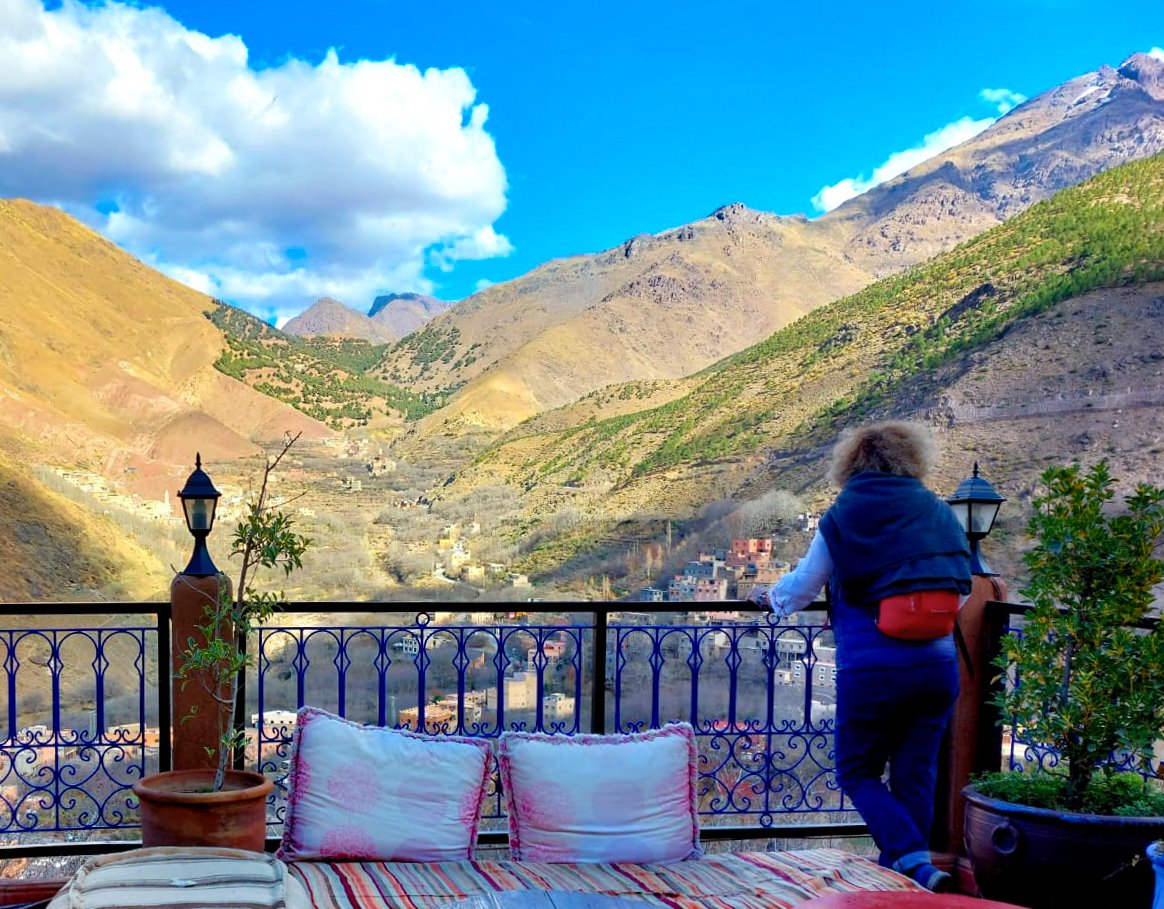
A city-to-city rail journey can fit at either end of a road tour. For instance, travel to Casablanca or Fes by public transport, then arrange pickup for the section that covers rural destinations. Compare door-to-door travel time for each leg, including waits and luggage handling.
What to ask about station and riad pickups
Confirm a precise meeting point and use a phone number that will work when you arrive. Many accommodations in old medinas require walking from the nearest car-accessible street. Ask if the property can suggest a pickup point, help with luggage or explain the easiest route after dark.
How to choose for your own trip
A rail connection between cities
Your itinerary calls for a city transfer with no intermediate sightseeing.
Use ONCF to check the station pair, date and train options.
Ask both accommodations about station access. When stations have similar names, compare their map locations before selecting a ticket.
An intercity coach leg
The final stop is beyond the rail network and you have one or two large bags.
Look up the coach, destination station and luggage arrangements before choosing it.
Keep a phone number for the driver or guesthouse, and allow time for the walk or taxi after the coach arrival.
Several stops between hotels
You want to see Meknes and Volubilis on the way to Fes.
A private transport booking can combine the visits and carry your luggage throughout the day.
Agree the stop order and ask about local guides and entrance costs. Give each stop the amount of time that suits your group.
Mixing public and private transport
You want to travel independently between the cities and use a driver for the rural portion.
Reserve the road segment from the city where your train ends.
Tell the operator your expected rail arrival and choose a flexible pickup if you are connecting that day. Consider traveling to the pickup city the evening before.
A traveler who prefers simple transfers
A station change or a long walk is difficult for someone in your group.
Use transport that minimizes changes and confirm how close the vehicle can get to the room or riad.
Share the actual walking constraints ahead of time. A car may still stop outside a medina gate, so ask your host for the last part on foot.
The final leg to a desert camp
Your campsite is beyond regular paved-road access.
Treat the camp approach as a separately confirmed part of your transport plan.
Ask who meets you where the main vehicle stops, which bags can go to camp, and whether the transfer is by 4×4 or camel.
Transport planning checklist
Use this checklist when your route is nearly settled. Start with departure station, arrival station, luggage and walking distances. Circle the items that affect how each journey actually works door to door, and check those decisions before committing to rooms or transfers.
Choosing a rail station
This matters when you are planning around a journey between two big cities. In that case, look for the actual departure and arrival station in the booking results. If there is room to adapt, ask your riad which station makes the shortest final transfer. The aim is less time spent changing vehicles.
Write the selected option next to the place where you sleep that evening. If a decision changes that overnight, check the following morning before assigning a new time to any reserved activity.
Planning the coach transfer
This matters when you are planning around a coastal destination without rail service. In that case, check the coach terminal and how luggage will be handled. If there is room to adapt, arrange a taxi or walking directions before arrival. The aim is a simpler final segment to your accommodation.
Use the same agreed meeting point in your accommodation and transport messages. A named landmark or entrance lets everyone confirm the plan before you reach the destination.
Intercity driver pickup
This matters when you are planning around several sightseeing stops between overnight stays. In that case, confirm where your luggage will stay while you visit each stop. If there is room to adapt, send the full overnight schedule and addresses in the quote request. The aim is more flexibility within the road segment.
Separate the confirmed booking details from the visits you can move. Check which stop you would shorten if traffic, weather or a longer meal changes the timings you had in mind.
Mixing modes in the same itinerary
This matters when you are planning around rail between major cities and road for the desert. In that case, choose a city pickup with enough margin after train arrival. If there is room to adapt, arrive the night before if the desert departure needs an early start. The aim is less risk of missing the first important stop.
Ask the travelers in your group about luggage, walking and the time they want to finish. A small change may leave time for your main stop without adding another transfer or changing hotels.
Choosing a return transfer
This matters when you are planning around an early train or flight at the end of a rural leg. In that case, break up the journey with a final city night where possible. If there is room to adapt, ask the property for the accessible drop-off and the onward pickup. The aim is a buffer between a long drive and a fixed departure.
If you have a tight connection, include the waiting and pickup time as well as the drive. A short distance on a map can still require a longer transfer when the route includes a change of vehicle.
Planning foot access in a medina
This matters when you are planning around a room in a car-free lane. In that case, confirm the closest usable gate or square for the vehicle. If there is room to adapt, ask about luggage help, steps and evening access. The aim is a simpler last few minutes even when vehicles cannot reach the door.
Compare the option on a day-by-day itinerary so you can see when it adds a longer drive or another room. A quoted itinerary should make the overnight locations and meeting times clear.
Planning desert transport
This matters when you are planning around an overnight beyond regular paved access. In that case, confirm the vehicle or camel segment separately. If there is room to adapt, divide your luggage into a small camp bag and the rest. The aim is a camp transfer arranged before you arrive at the dunes.
Use the written quote to confirm which details are included and which depend on availability. Send any changes to the operator before the travel day so your driver and accommodation are working from the same plan.
Check the whole route before you commit
Start with the connection between station and room. Then review separate train, coach or car arrangements. If one part of your route needs a buffer, make the least convenient change of vehicle flexible. This is a practical way to check whether an overlooked transfer or walk makes the apparent fastest option less practical.
Make a simple list with four columns: date, overnight stay, transport and the visit you most want to protect. A day with two long transfers or three different meeting points is usually the right place to simplify. Keep the chosen route on your phone and share it with the other travelers before your first pickup.
What to send when you request a quote
Include your flight or rail times where relevant, what you want to see and the accommodation you have already arranged. Give each room’s town and, if possible, its name. Add any special luggage, child seating or walking requirements so the plan can account for them before booking. Ask for the overnight order and main stops in writing.
Once you have a quote, check the departure and ending cities before comparing the price with other options. Look for which nights, visits, meals and local guides are confirmed. If you need a different start or finish, ask for a revised route and check how it affects the available time at your main destination.
Worked travel examples

Build a transport comparison using the whole journey
For a useful comparison, start at the room door and finish at the next room door. Write down time to the station, waiting time, the main journey and the transfer after arrival. Compare each segment for rail, coach and private transport. Add the places you can actually see along the way. A faster train is often best for a city transfer, while stopping at a rural site with bags can make a slower road journey the better use of the day.
Plan transport for two different types of travelers
A traveler with one light bag can use a simple connection between city stations and walk from the nearest point to the riad. A family or party with larger cases may value fewer stops between accommodation entrances. Check how far the train platform, coach station or driver pickup point is from the route you will walk. Compare the price for the whole party, and confirm luggage limits and room access separately from the main ticket.
Where a local taxi or tram fits
For a short city journey, consider how long it takes to reach the nearest taxi or tram stop outside your accommodation. In Casablanca and Rabat, tram routes can be useful where the start and finish are near stops. For a late arrival or tight onward connection, a prearranged pickup with a clear meeting point can be simpler. Write the address and name of the property so you can show them if needed, and keep contact details handy.
A worked example using two modes
Suppose you want to see Rabat and Fes and also need a few days in the Sahara. Check whether rail is convenient for the city section first. Then start a road tour from your overnight base before heading to Merzouga. If your return is by train or by plane, keep a later reservation or an overnight buffer in Fes. This protects the desert outing and gives you a simple meeting point early in the morning.
What to verify on the travel date
Check the actual date in the timetable and avoid assuming the same service runs every day at the same hour. Leave room for confirming the platform and finding the vehicle after arrival. Share any changes with your accommodation and driver. When a transport connection cannot be made flexible, put the previous night in that departure city or arrange help with the final transfer.
Compare published tour routes
4-day Imperial Cities Tour from Casablanca
Casablanca → Rabat → Meknes → Volubilis → Fes
A four-day one-way route for travelers who want architecture and medinas. It includes a full day in Fes and leaves the last morning flexible for a train, airport transfer or extra time in the city.
Start in Casablanca and plan your onward travel from Fes. The sightseeing-heavy day combines Meknes and Volubilis, so tell your driver which visit matters most if you prefer longer stops.
5-day Atlantic Coast Tour from Casablanca
Casablanca → El Jadida → Essaouira → Marrakech
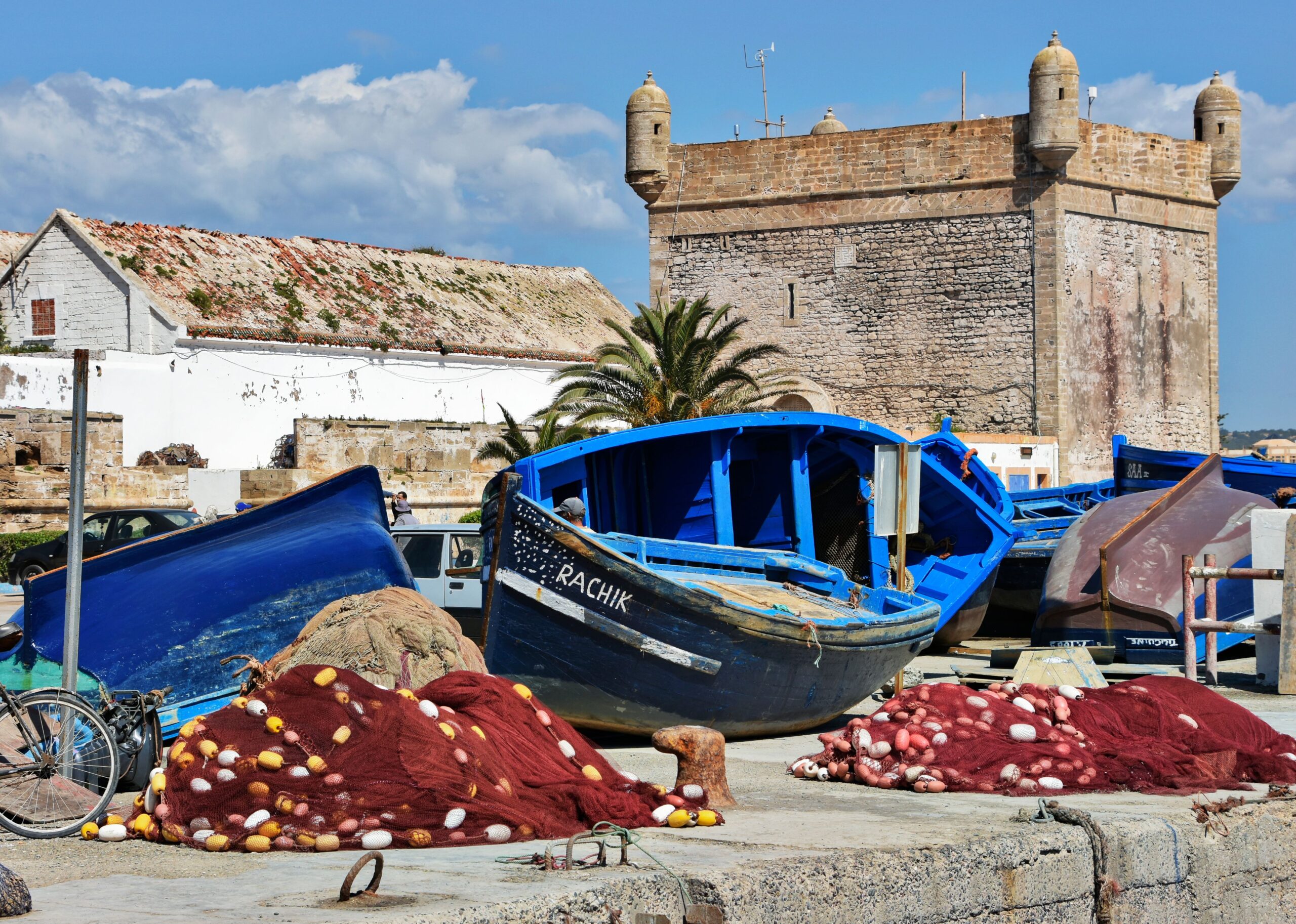
A five-day coastal route with two nights in Essaouira. It gives you time to find your way around the fishing harbor and medina before heading inland to Marrakech.
The tour finishes in Marrakech. Keep your final morning flexible if you want time for a palace, market or lunch, or use it for the airport if your flight leaves early.
3-day Merzouga Desert Round Trip from Fes
Fes → Middle Atlas → Ziz Valley → Merzouga → Fes
A three-day round trip with a camp night at Erg Chebbi and a second night near Merzouga. One day stays in the desert area between the two longer transfers.
If you are continuing from Fes by rail or air, allow extra time for the return. Discuss camel or 4×4 camp access ahead of travel and have the arrangements confirmed in the written quote.
Frequently asked questions
Can I reach the Sahara by train?
Plan the final leg to the dunes and camp by road. Verify the nearest practical connection for your route and have the camp transfer confirmed.
Is Al Boraq the same as all ONCF trains?
Al Boraq is a high-speed service on the Tangier–Casablanca corridor. Check the timetable for the particular city pair you want.
Does a private driver replace a city guide?
A driver handles the road journey and stops. Ask for a licensed local guide if you want an in-depth walking visit with historical context.
Useful planning resources
Check rail times and stations with ONCF Voyages. Find an overview of local and intercity options in the Moroccan National Tourist Office transport guide. Confirm pickup, luggage and accommodation details for any private segment when you request a written quote.
Book with A Morocco Tour
Tell us your travel dates, group size, arrival and departure cities, and the places you most want to see. We’ll suggest a private itinerary and confirm the stops, overnight arrangements and inclusions in your quote.
Use our contact form · Email A Morocco Tour · WhatsApp +212 6 99152742
